
Gynecologist Services
- Home
- gynecologist services
Gynecologist Services
Gynecological Treatments
Gynecological treatments cover a broad spectrum of medical, surgical, and supportive care tailored to address conditions affecting the female reproductive system. These treatments aim to maintain the health and well-being of women by managing a variety of concerns such as menstrual irregularities, hormonal imbalances, pelvic pain, and conditions like endometriosis, fibroids, and ovarian cysts.
For women experiencing difficulty conceiving, gynecologists offer treatments ranging from fertility medications to assisted reproductive technologies (ART), including In Vitro Fertilization (IVF) and Intrauterine Insemination (IUI). Infections of the reproductive organs, such as sexually transmitted diseases (STDs) or urinary tract infections (UTIs), are also diagnosed and treated promptly to prevent complications.
Gynecologists are also specialized in the early detection and treatment of reproductive cancers, such as cervical, uterine, and ovarian cancer. This includes preventive care like Pap smears and HPV vaccinations, as well as advanced surgical interventions like hysterectomies or tumor removal when necessary.
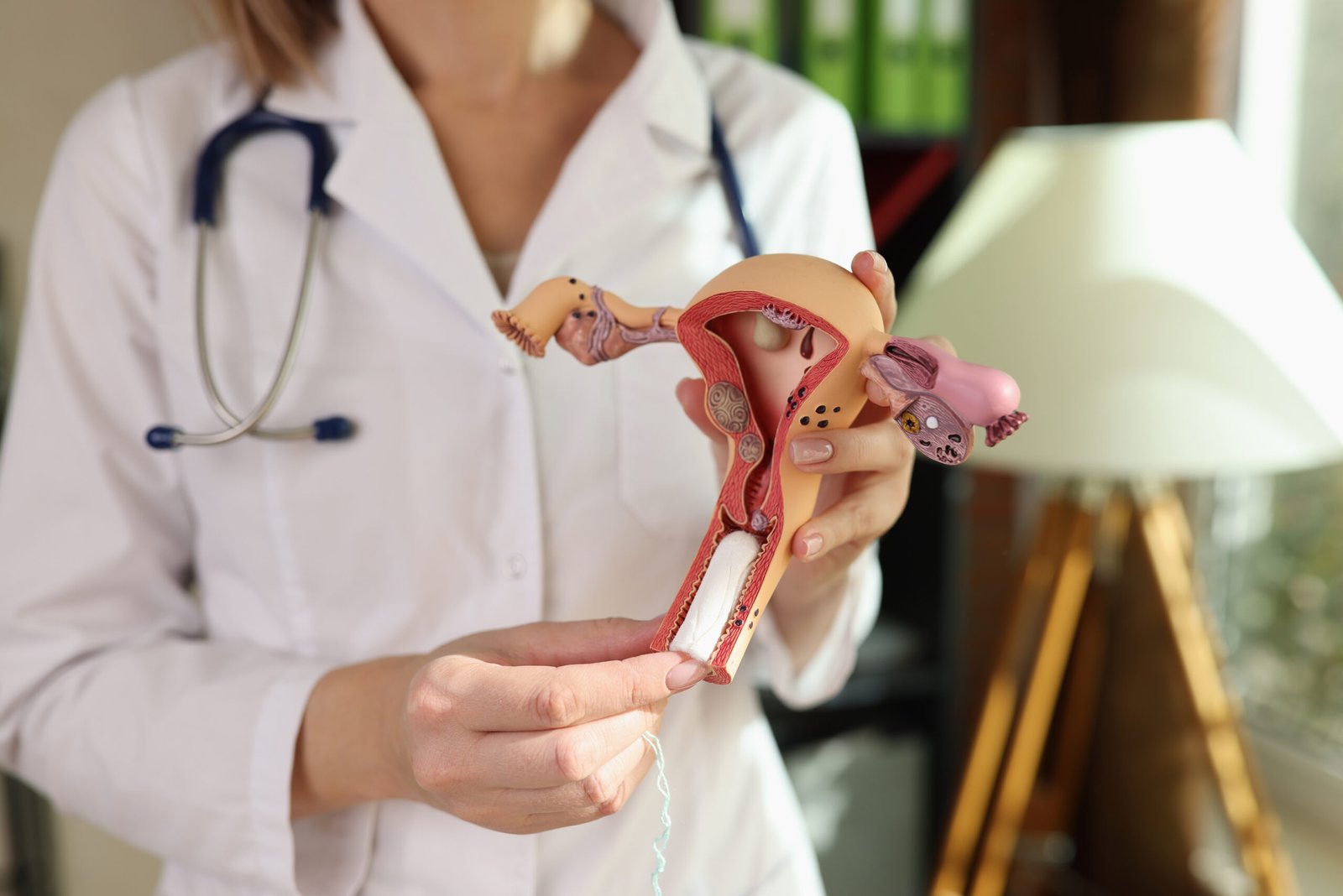
Additionally, treatments also address menopausal and postmenopausal health, helping women navigate the physical and emotional changes associated with aging. Supportive therapies for managing symptoms of menopause, such as hormone replacement therapy (HRT) and alternative treatments, are tailored to meet each woman’s needs.
With a focus on both preventive and therapeutic care, gynecological treatments empower women to take control of their reproductive health, ensuring they receive comprehensive care for a wide range of conditions at every stage of life.
Specific Gynecological Conditions and Treatments
Gynecological conditions can range from common issues like menstrual irregularities and pelvic pain to more complex disorders such as endometriosis, fibroids, and infertility. Treatments for these conditions vary based on severity and include both medical and surgical interventions. From hormonal therapies to surgical procedures such as myomectomy or hysterectomy, gynecologists provide tailored care to help manage symptoms and improve quality of life. They also focus on the early detection and management of reproductive cancers, ensuring timely treatment and a holistic approach to women’s health.
Gynecological conditions can affect women at different stages of life, requiring a variety of treatments based on the nature and severity of the issue. Menstrual irregularities, such as heavy or absent periods, are often managed through hormonal therapies, birth control pills, and surgical options like endometrial ablation, which helps control bleeding. Infertility treatments include advanced options like IUI (Intrauterine Insemination), IVF (In Vitro Fertilization), and other assisted reproductive technologies (ART) designed to help couples conceive when facing challenges.
Infections of the reproductive system, including bacterial, viral, or fungal infections, are treated with a range of medications such as antibiotics, antifungals, and antivirals, depending on the type and cause of the infection. Gynecologic cancers, such as cervical, ovarian, and uterine cancers, often require a combination of surgery, radiation therapy, chemotherapy, and emerging targeted therapies to remove cancerous cells and prevent further spread.
Menopause symptoms like hot flashes, mood swings, and vaginal dryness are commonly treated with hormonal therapy (HRT), along with other medications aimed at alleviating symptoms and improving overall well-being. For uterine fibroids, treatment options range from medications to control symptoms, myomectomy (removal of fibroids), or hysterectomy (removal of the uterus), with non-invasive methods like uterine artery embolization (UAE) also being effective in shrinking fibroids.
Endometriosis, where tissue similar to the uterine lining grows outside the uterus, is managed with pain medications, hormonal treatments, and laparoscopic surgery to remove abnormal tissue. For pelvic organ prolapse, which occurs when pelvic organs drop due to weakened muscles, treatments include pelvic floor physical therapy, pessary fitting, and surgical reconstruction to restore organ support.
Lastly, urinary incontinence, or the involuntary loss of urine, is managed through pelvic floor exercises, bladder training, medications, and in some cases, surgical procedures to provide long-term relief and improve quality of life. These treatments offer tailored solutions to help women navigate the challenges posed by various gynecological conditions, ensuring they receive the most effective care for their health needs.
Medical Treatments for Gynecological Conditions
Medical treatments for gynecological conditions aim to manage symptoms and improve overall reproductive health through non-invasive or minimally invasive methods. Hormonal therapies are commonly used to treat conditions like endometriosis, uterine fibroids, and menopause, often involving hormone replacement therapy (HRT) or other hormonal medications to restore balance and alleviate symptoms.
For couples facing challenges with infertility, treatments such as intrauterine insemination (IUI), in vitro fertilization (IVF), and other assisted reproductive technologies (ART) provide advanced options to help them conceive. Antibiotics and antifungal medications are essential for treating infections like bacterial vaginosis, yeast infections, and sexually transmitted infections (STIs), ensuring the reproductive system stays healthy and free from complications.
Medications for pain management are often prescribed to relieve discomfort caused by conditions like dysmenorrhea (painful periods), pelvic inflammatory disease (PID), and endometriosis, improving quality of life and offering much-needed relief. Additionally, non-surgical treatments for pelvic organ prolapse such as pelvic floor physical therapy and the use of pessaries help provide support and manage symptoms without the need for surgery.
These medical treatments play a crucial role in maintaining and improving women’s reproductive health, offering tailored solutions for a variety of conditions.
Surgical Treatments for Gynecological Conditions
Surgical treatments are essential for addressing various gynecological conditions that require intervention for better health and quality of life. Below are some key surgical options:
Hysterectomy:
A hysterectomy is the surgical removal of the uterus, often performed to treat conditions like heavy bleeding, uterine fibroids, endometrial cancer, and other reproductive system disorders. It may also be recommended for persistent infections or other serious uterine conditions. Depending on the situation, a partial or total hysterectomy may be performed.Myomectomy:
This procedure involves the removal of uterine fibroids, which are non-cancerous growths in the uterus. A myomectomy preserves the uterus, making it a viable option for women who wish to retain their fertility and still address fibroid-related symptoms, such as heavy bleeding and pain.Laparoscopy and Robotic Surgery:
Laparoscopy is a minimally invasive surgery that uses small incisions and a camera to perform procedures like ovarian cyst removal or endometriosis surgery. Robotic surgery enhances this technique, offering greater precision and control, allowing for quicker recovery times, reduced scarring, and less postoperative discomfort compared to traditional open surgery.Endometrial Ablation:
Endometrial ablation is a procedure used to treat heavy menstrual bleeding. It involves the destruction or removal of the endometrial lining of the uterus to reduce or stop bleeding. This option is ideal for women who do not respond to medication and do not wish to undergo a hysterectomy.Surgery for Gynecologic Cancers:
For women diagnosed with gynecological cancers (such as cervical, uterine, or ovarian cancers), surgery is often a part of the treatment plan. This may include a hysterectomy, oophorectomy (removal of the ovaries), lymph node dissection (removal of lymph nodes to check for cancer spread), and other procedures depending on the cancer’s type and stage. The goal is to remove the cancerous tissue and prevent the disease from advancing.Pelvic Floor Reconstruction:
Pelvic floor reconstruction is a surgical procedure designed to repair the muscles and ligaments that support the pelvic organs. This surgery is often necessary for women experiencing pelvic organ prolapse (when pelvic organs drop due to weakened support) or urinary incontinence. The procedure restores normal pelvic anatomy, improves organ function, and reduces symptoms of prolapse.
These surgical treatments are tailored to meet the individual needs of each patient, offering effective solutions for a variety of gynecological conditions. Whether it’s through preservation of fertility, alleviating pain, or treating cancer, these procedures play a significant role in maintaining women’s health and well-being.
Supportive Care for Gynecological Conditions
Physical Therapy:
Physical therapy is commonly used to strengthen the pelvic floor muscles, which support the uterus, bladder, and other pelvic organs. This treatment is particularly effective for managing urinary incontinence, pelvic organ prolapse, and improving overall pelvic health. It involves exercises and techniques designed to improve muscle strength, flexibility, and control, helping women regain normal function and prevent further issues.Pessary Fitting:
A pessary is a medical device inserted into the vagina to support the pelvic organs, often used to treat pelvic organ prolapse. It helps relieve symptoms like discomfort, incontinence, and pressure on the pelvic region without requiring surgery. Pessaries come in various shapes and sizes, and fitting them properly ensures that the device stays in place and provides maximum support.Counseling and Support Groups:
Counseling and support groups provide much-needed emotional support for women undergoing treatment for gynecological conditions. These services offer a safe space to share experiences, receive psychological support, and learn coping strategies. They can also provide valuable information on how to manage the emotional and mental challenges that often come with conditions such as infertility, cancer, and pelvic health issues.
Together, these supportive care options are designed to address the physical, emotional, and psychological aspects of managing gynecological health, promoting recovery and overall well-being.
Other Services
99000 92560
Make Appointment
Are you planning to start treatment but feeling uncertain about the best choice?
Why not schedule a consultation and let our specialists guide you with expert advice?